

Insights
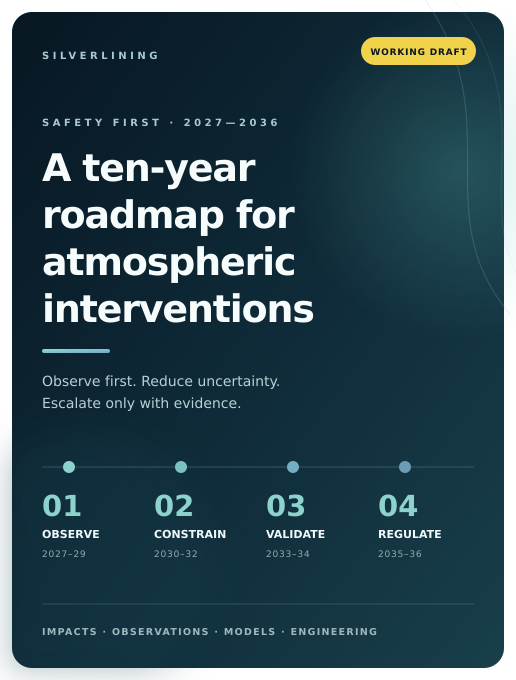
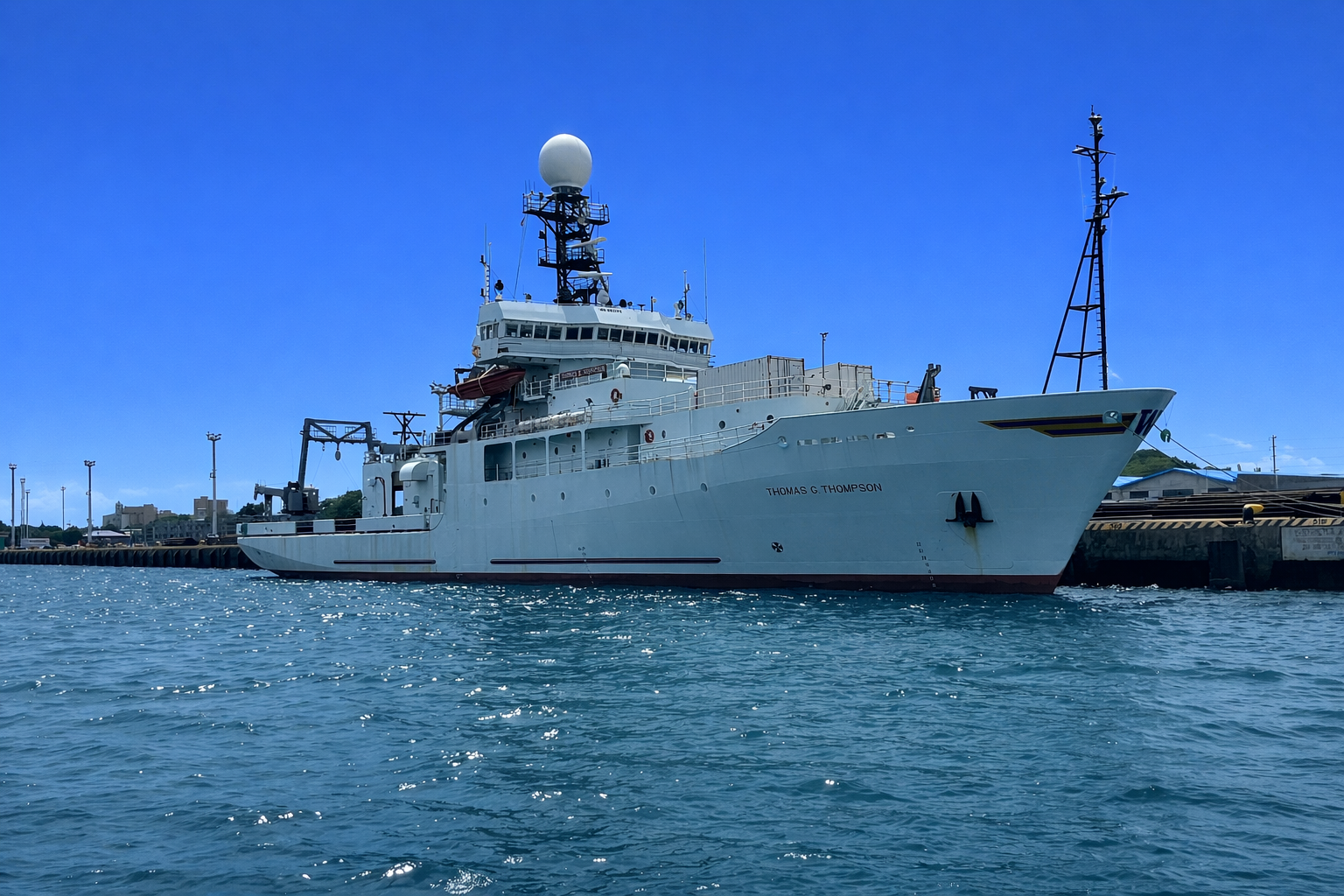
The atmosphere remains one of the least directly observed components of the Earth system. Building and maintaining sustained observation networks is foundational. If we want better answers, we need better data, and that requires sustained commitment to observing the world as it is.
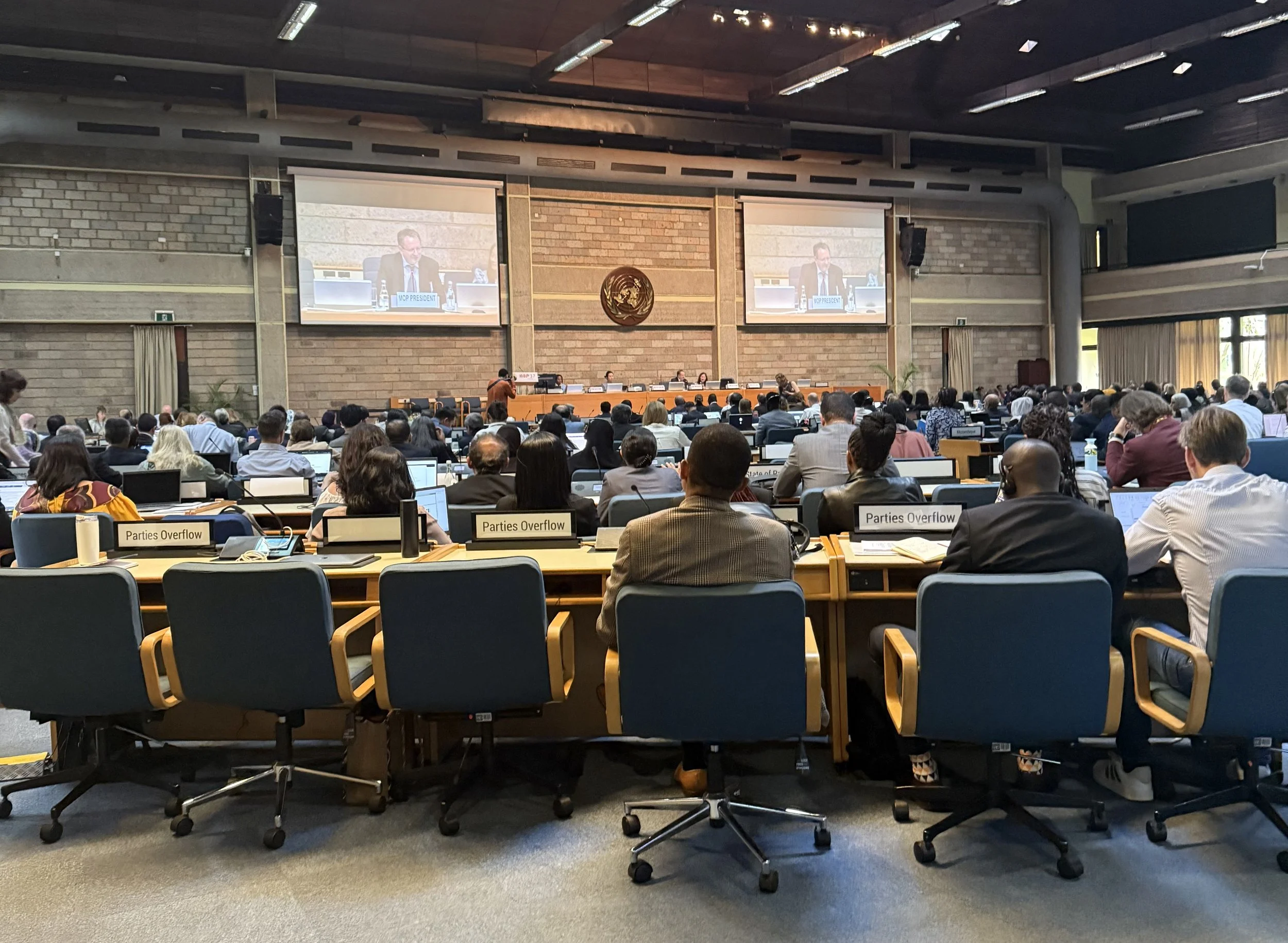
Escalation of R&D, commercial investment and public concern about proposed emission of aerosols into the stratosphere to impact climate reached the Montreal Protocol Meeting of the Parties MOP37 made rising stratospheric activity especially timely this year.

The world is currently experiencing unprecedented global temperatures and extreme weather events, with record heat waves and devastating storms. Last month, the world experienced the hottest days ever observed, with four days of record-breaking temperatures taking place in the span of just one week. Around the globe, climate-linked disasters are occurring more frequently, and scientists continue to publish research on the escalating risks of natural systems crossing major climate tipping points.

Project HEATWAVE, a new research initiative aimed at improving how we project and prepare for the risks associated with extreme heat, launched today as an international, collaborative effort led by top researchers from NYU Langone Health, Georgia Institute of Technology, and SilverLining, a non-profit climate research organization.